
Bangladesh vs Malaysia Pitch Report: Korogi Sports Park Records, Weather & Asian Games 2026
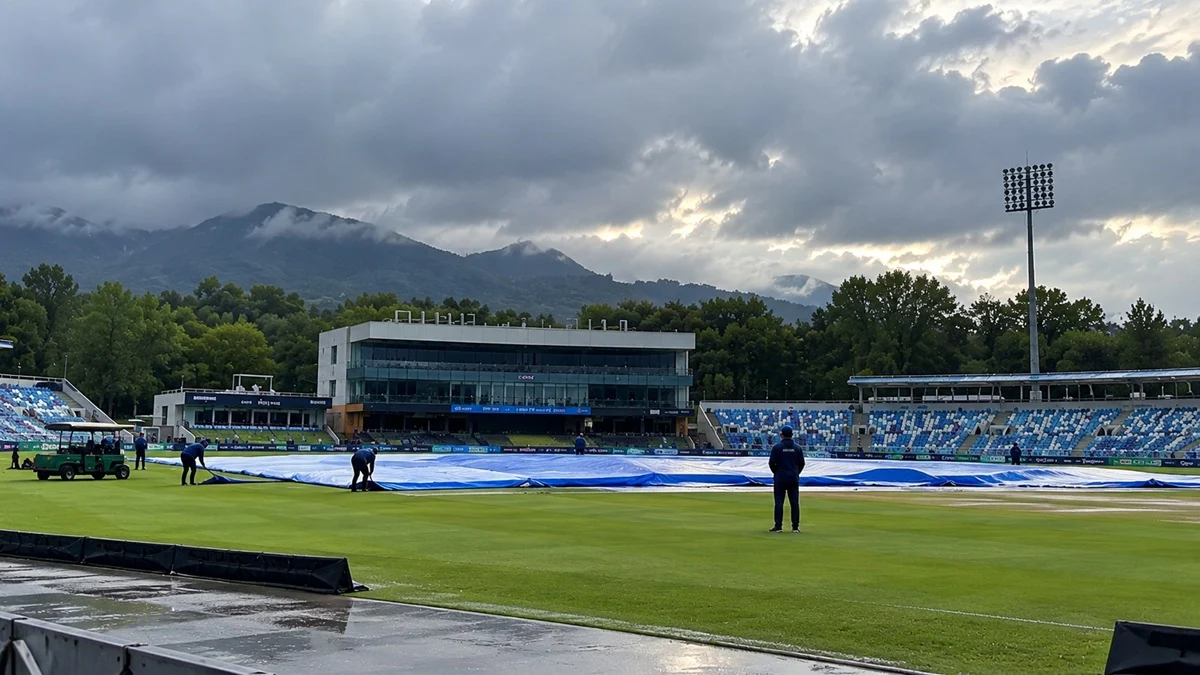
The Bangladesh vs Malaysia Pitch Report will be important ahead of the Asian Games 2026 men’s cricket quarter-final at Korogi Sports Park in Nisshin, Japan. Bangladesh and Malaysia will meet on September 29, with the winner moving into the semi-final. Recent matches at this venue have shown that the surface can assist slower bowlers, while rain has added another challenge for both teams.
Bangladesh enter the tournament directly at the quarter-final stage as one of the seeded teams, while Malaysia have already played competitive cricket at Korogi Sports Park. Malaysia defeated Hong Kong, China by eight wickets before their match against Oman was abandoned because of rain. That recent experience could help them understand the surface and changing weather conditions better.
| Match Detail | Information |
|---|---|
| Match | Bangladesh vs Malaysia |
| Tournament | Asian Games 2026 Men’s Cricket |
| Stage | 4th Quarter-Final |
| Date | September 29, 2026 |
| Venue | Korogi Sports Park |
| Location | Nisshin, Japan |
| Format | T20 |
| Bangladesh Captain | Litton Das |
| Malaysia Captain | Syed Aziz |
Bangladesh vs Malaysia Pitch Report – Korogi Sports Park Conditions
The Bangladesh vs Malaysia Pitch Report suggests that batting may not always be straightforward at Korogi Sports Park. The venue has produced several modest totals, and batters have sometimes found it difficult to score freely once the ball becomes older. Spinners and bowlers using cutters can become particularly effective during the middle overs.
Available T20 records at the venue show an average first-innings score of around 135, while the second-innings average is considerably lower. Teams batting first have also enjoyed slightly better results overall. However, these numbers should be treated only as a guide because recent rain could significantly change the behaviour of the surface.
| Korogi Sports Park T20 Record | Figure |
|---|---|
| Matches | 17 |
| Wins batting first | 10 |
| Wins bowling first | 7 |
| Average 1st innings score | 135 |
| Average 2nd innings score | 88 |
Malaysia have already shown that they can adapt to the conditions here. Against Hong Kong, China, their bowlers restricted the opposition to 81/9 from 20 overs before Malaysia completed the chase at 84/2 in only 12 overs. That performance should give them confidence before facing a much stronger Bangladesh side in the quarter-final.
Spin could again have a major influence on the contest. Other matches at Korogi Sports Park have shown that slower bowlers can become difficult to attack when the pitch offers some grip. Nepal demonstrated this against Afghanistan when their spinners took all seven wickets as Afghanistan were restricted to 102/7.
Bangladesh appear well equipped for those conditions. Rishad Hossain provides a leg-spin option, while Mahedi Hasan and Nasum Ahmed add further variety to the slow-bowling attack. If the surface remains slightly damp or slow, Mustafizur Rahman’s cutters and changes of pace could also become particularly useful.
The new ball should not be ignored either, especially after the recent rain around Nisshin. Moisture in the surface and overcast conditions can provide some early assistance to seamers before the pitch settles down. Batters from both teams may therefore need to spend a few overs assessing the pace and bounce rather than attacking immediately.
A first-innings total around 130–145 could be competitive if the surface remains slow, although it should not be considered a fixed par score. A drier pitch could allow significantly faster scoring, while further rain may make batting more difficult. The conditions immediately before the match will provide a much better indication of what represents a strong total.
The toss could consequently become more important than usual. Historical numbers provide some support for batting first, but a captain may prefer to chase if rain is expected during the match because a reduced-overs contest changes the equation considerably. Both teams will therefore need to assess the pitch, outfield and latest weather conditions before making their decision.
Bangladesh vs Malaysia Weather – Rain Remains a Major Factor
Weather is one of the biggest concerns surrounding the Bangladesh vs Malaysia Pitch Report. Nisshin has already experienced considerable rain during the Asian Games cricket competition, with several matches interrupted or abandoned. Malaysia’s group-stage match against Oman was one of the contests that could not produce a result because of the weather.
The September 28 quarter-finals also demonstrated how significant the rain problem has become. Pakistan’s match against Hong Kong, China and India’s quarter-final against Afghanistan were both abandoned without play. With showers also forecast around Nisshin for September 29, another weather interruption cannot be completely ruled out.
Recent rain could affect more than just the number of overs available. A damp outfield can delay the start even after the rain stops, while moisture around the pitch may help fast bowlers early in the innings. If the surface dries gradually, spin and slower deliveries could become increasingly effective as the match progresses.
Malaysia at least have first-hand experience of dealing with these conditions during the tournament. Their match against Oman was washed out, while their victory against Hong Kong, China came at the same venue. Bangladesh have not had that competitive preparation because they received direct entry into the quarter-final stage.
Bangladesh, however, have a bowling attack that appears well suited to variable conditions. Mustafizur Rahman and Shoriful Islam provide pace options, while Rishad Hossain, Mahedi Hasan and Nasum Ahmed give captain Litton Das several spin combinations. That variety could allow Bangladesh to change their approach quickly depending on how the pitch behaves.
Malaysia will need to protect wickets during the opening phase if there is movement with the new ball. Their best opportunity could come from taking the match deep and putting Bangladesh under knockout pressure. Having already won at Korogi Sports Park, Malaysia should enter the contest with a better understanding of the venue than a team playing there for the first time.
| Factor | Expected Impact |
|---|---|
| New Ball | Movement possible if moisture remains |
| Batting | Could require patience early |
| Spin | Likely to be important in middle overs |
| Slower Balls | Could grip on a slower surface |
| Competitive Score | Around 130–145 if conditions remain difficult |
| Toss | Weather could influence the decision |
| Biggest Concern | Rain and wet outfield |
The Bangladesh vs Malaysia Pitch Report ultimately points towards a contest where adaptability could be more important than raw power. Korogi Sports Park has shown enough assistance for bowlers to keep even modest totals competitive, while recent rain means the pitch may behave differently from one match to another.
Bangladesh bring considerably more international experience and a varied bowling attack, while Malaysia have the advantage of already playing and winning at this venue during the Asian Games 2026. If conditions remain dry enough for a full match, spin and slower deliveries could become decisive. If rain returns, the toss, outfield and possibility of a shortened contest could completely change the match strategy.

Related Posts
Sri Lanka vs Nepal Pitch Report: Korogi Sports Park Records, Weather & Asian Games 2026 Quarter-Final

India vs Afghanistan Pitch Report Today: Will Korogi Sports Park Help Spinners in Asian Games Quarter-Final?
India Women vs Sri Lanka Women Pitch Report Today: Korogi Sports Park Pitch for Asian Games 2026 Final

Bangladesh vs Malaysia Playing 11 & Playing XI: Probable Teams for Asian Games 2026 Quarter-Final

IND vs WI Pitch Report Today: India vs West Indies Pitch, Weather & Venue Records