
South Zone vs East Zone Scorecard Today: 708, 336 and Ishan Kishan’s 350-Run Final Masterclass
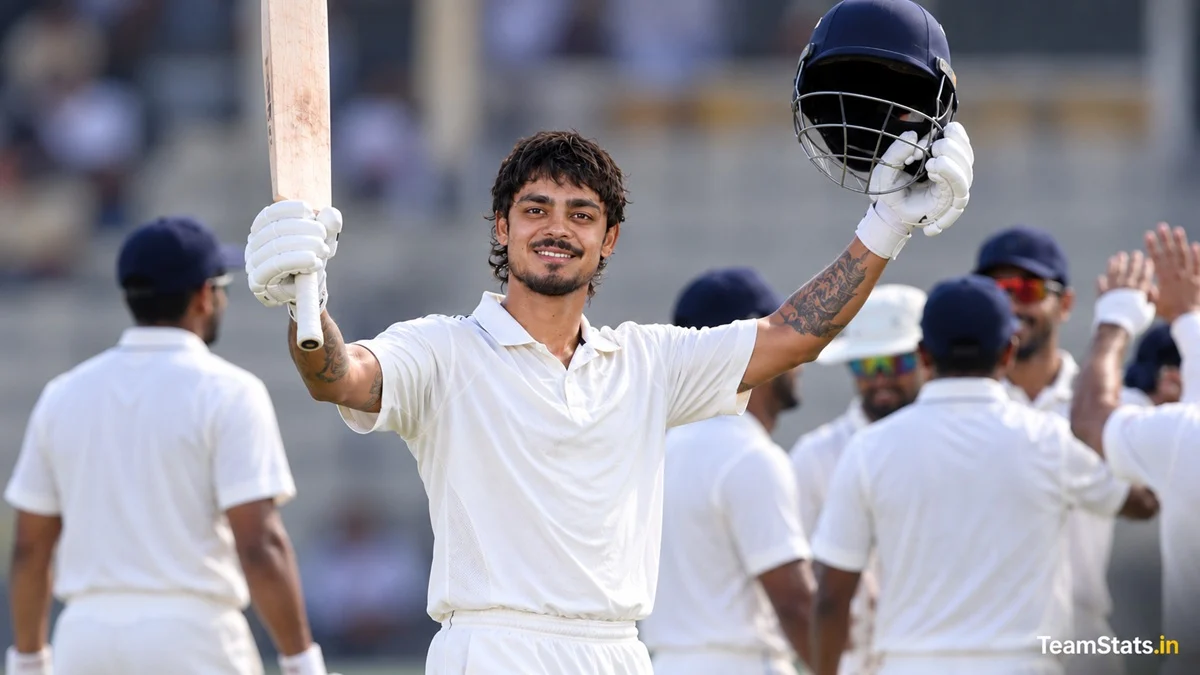
East Zone Cricket Team vs South Zone Cricket Team Match Scorecard: Duleep Trophy 2026 South Zone vs East Zone Final Highlights
The East Zone cricket team vs South Zone cricket team match scorecard tells the story of a Duleep Trophy 2026 final dominated by runs, individual brilliance and a huge first-innings advantage for East Zone.
East Zone piled up a massive 708 runs in their first innings, powered by a remarkable 270 from Ishan Kishan. South Zone responded with 336, leaving East Zone with a commanding 372-run first-innings lead.
By stumps on Day 4, East Zone had reached 212/5 in their second innings, stretching the overall lead to 584 runs and putting themselves firmly in control of the contest.
East Zone vs South Zone Scorecard – Match Overview
| Match Detail | Information |
|---|---|
| Tournament | Duleep Trophy 2026 |
| Match | East Zone vs South Zone |
| Stage | Final |
| Venue | Chennai |
| East Zone 1st Innings | 708 all out |
| South Zone 1st Innings | 336 all out |
| East Zone 2nd Innings | 212/5 at Day 4 stumps |
| East Zone Lead | 584 runs |
| Standout Batter | Ishan Kishan – 270 |
East Zone First Innings: Ishan Kishan Produces a Special 270
East Zone’s first innings became the defining phase of the final.
The headline performance came from Ishan Kishan, who smashed 270 runs and put South Zone’s bowling attack under enormous pressure. It was the kind of innings that changes the direction of a multi-day final almost single-handedly.
Kishan combined aggression with the ability to occupy the crease for a long period. Instead of allowing South Zone to work their way back into the match, East Zone continued building partnerships around him.
By the time East Zone were dismissed for 708, South Zone were facing much more than a big total. They needed an exceptional first innings simply to remain competitive.
South Zone Reply: Tilak Varma Falls One Short of Century
South Zone needed a strong response, and Tilak Varma provided their biggest resistance.
Tilak scored 99, narrowly missing what would have been an important century in the Duleep Trophy final. His innings helped South Zone recover during difficult periods, but they were unable to produce enough substantial partnerships around him.
South Zone were eventually bowled out for 336.
That meant East Zone secured a massive 372-run first-innings advantage.
In a multi-day final, such a lead changes the entire tactical picture. East Zone no longer needed to take unnecessary risks. They could bat again, increase the target pressure and force South Zone to spend more time in the field.
Ishan Kishan Makes an Impact Again
South Zone may have hoped Kishan’s 270 was his only major contribution with the bat. Instead, he delivered again in East Zone’s second innings.
Kishan scored 80 runs, adding another important innings to an already outstanding individual match.
His second-innings contribution helped East Zone reach 212/5 by the end of Day 4.
With the 372-run first-innings advantage added to the second-innings total, East Zone’s overall lead grew to an enormous 584 runs.
That put South Zone under extreme pressure heading into the closing stages of the final.
Why East Zone Took Control of the Final
The raw scorecard shows a huge difference between the teams, but three factors explain East Zone’s dominance more clearly.
First was Kishan’s 270. A double century in a final is already significant, but getting close to 300 gave East Zone enough runs to dictate the rest of the contest.
Second was South Zone’s inability to convert starts into a total anywhere near East Zone’s 708. Tilak Varma’s 99 was excellent, but one major innings was not enough when chasing such a huge first-innings score.
Third was East Zone’s second-innings approach. Rather than allowing South Zone an easy route back into the game, East Zone continued adding runs and pushed the lead beyond 500.
East Zone vs South Zone: Key Performances
| Player/Team | Performance |
|---|---|
| Ishan Kishan | 270 in East Zone’s first innings |
| Tilak Varma | 99 for South Zone |
| South Zone | 336 all out |
| East Zone | 372-run first-innings lead |
| Ishan Kishan | 80 in East Zone’s second innings |
| East Zone | 212/5 at Day 4 stumps |
| Overall Lead | 584 runs |
The Number That Defined the Match: 708
There are plenty of individual numbers in the East Zone cricket team vs South Zone cricket team match scorecard, but 708 is arguably the most important.
Once East Zone posted that total, South Zone were forced to play catch-up cricket.
Even a respectable first-innings score would leave them behind, and 336 ultimately resulted in a deficit of more than 350 runs.
That is why Kishan’s 270 becomes even more significant when viewed in the context of the match rather than as an isolated batting achievement.
What the Scorecard Tells Us
East Zone’s advantage was not created by one short spell or a late collapse. It developed across multiple sessions.
A first-innings total of 708 gave them the foundation. Dismissing South Zone for 336 created the separation. Reaching 212/5 in the second innings then transformed a strong position into an overwhelming one.
For South Zone, Tilak Varma’s 99 remains one of the standout performances, particularly considering the pressure created by East Zone’s enormous first-innings total.
For East Zone, however, the final has been defined by Ishan Kishan.
His 270 and 80 gave him 350 runs across the two innings, making his batting contribution central to East Zone’s commanding position.
Final Word
The East Zone cricket team vs South Zone cricket team match scorecard reflects a Duleep Trophy 2026 final in which East Zone established control through an extraordinary batting performance.
Ishan Kishan’s 270 powered East Zone to 708, while South Zone managed 336 despite Tilak Varma’s fighting 99. Kishan then returned with another 80 as East Zone moved to 212/5, taking their overall advantage to 584 runs by Day 4 stumps.
Beyond the huge totals, Kishan’s ability to deliver twice in the same final has been the major difference between the two sides. With East Zone holding such a commanding advantage, the final entered its closing stages with South Zone facing an exceptionally difficult task.

Related Posts
Afghanistan vs Japan Match Scorecard: AFG 129/6, JPN 81
Sri Lanka vs Nepal Playing 11: Probable XI and Team News for Asian Games Quarter-Final
Bangladesh vs Malaysia Playing 11 & Playing XI: Probable Teams for Asian Games 2026 Quarter-Final

Sri Lanka vs Nepal Pitch Report: Korogi Sports Park Records, Weather & Asian Games 2026 Quarter-Final
India vs Afghanistan Playing XI: Match Abandoned, India Reach Asian Games 2026 Semi-Final